

The history of Bolevec and the "U Matoušů" farmstead
The history of Bolevec and the “U Matoušů” farmstead
The story of the village of Bolevec and the “U Matoušů” farmstead dates back to the Middle Ages.
The first mention of Bolevec comes from 1382. The village was probably founded in the twelfth century, at the time of the establishment of many monasteries whose tasks included the colonisation of large areas of the present-day Plzeň region. Bolevec was owned by the Chapter of St. Apollinaire in Prague’s New Town. The village was sold to the City of Plzeň in 1460 for 200 kopa of Prague groschen and the sale was approved by Czech King George of Poděbrady himself. The City of Plzeň bought Bolevec with the intention of building an extensive system of fishponds here. The village received various privileges in compensation for the flooded lands of the local farmers. Ten farmsteads are documented here in 1461, one of which stood on the site of today’s “U Matoušů” farmstead. In the years 1635 to 1684, it was owned by Matouš Vicl, after whom the farmstead is named “U Matoušů” to this day.
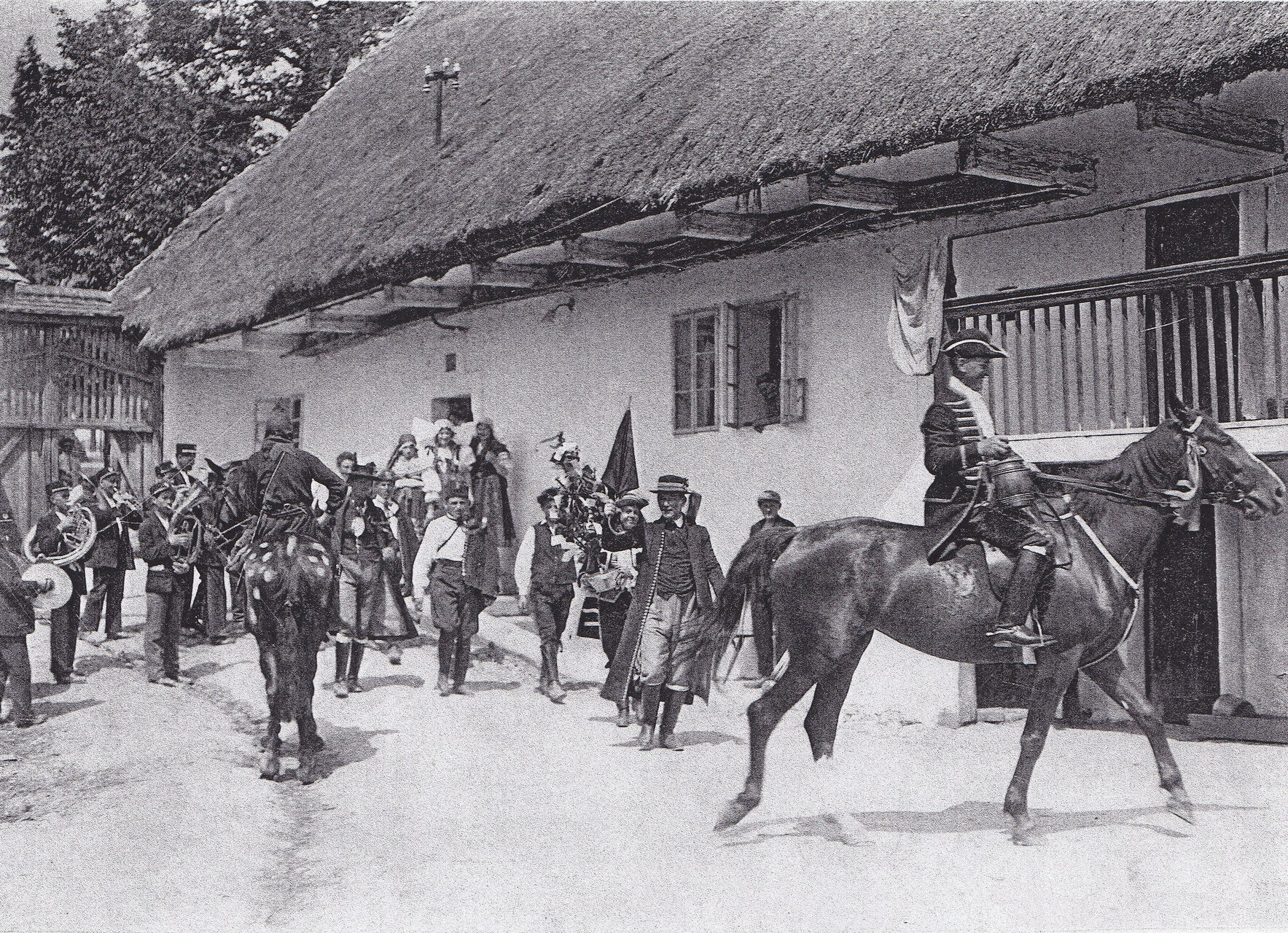
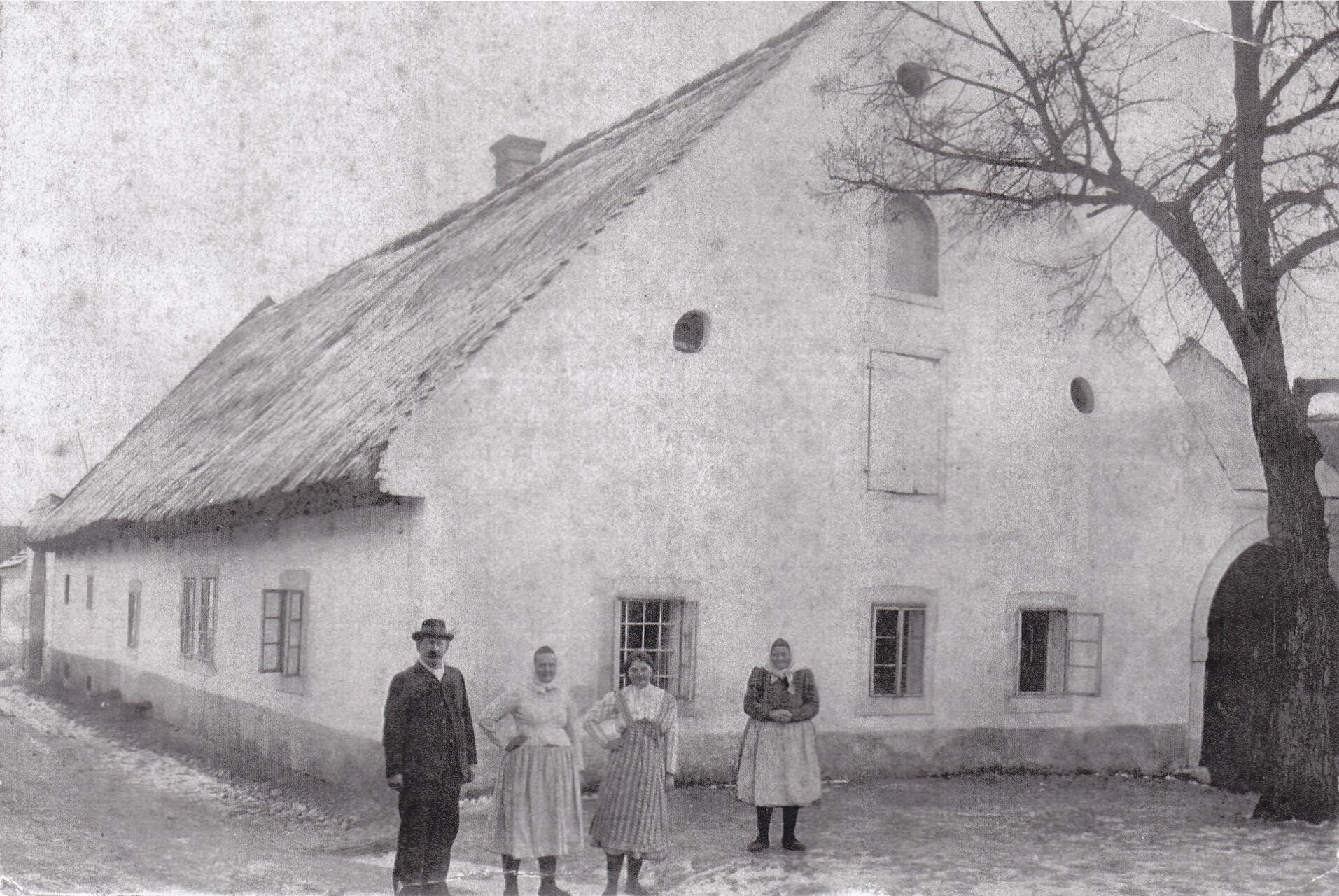
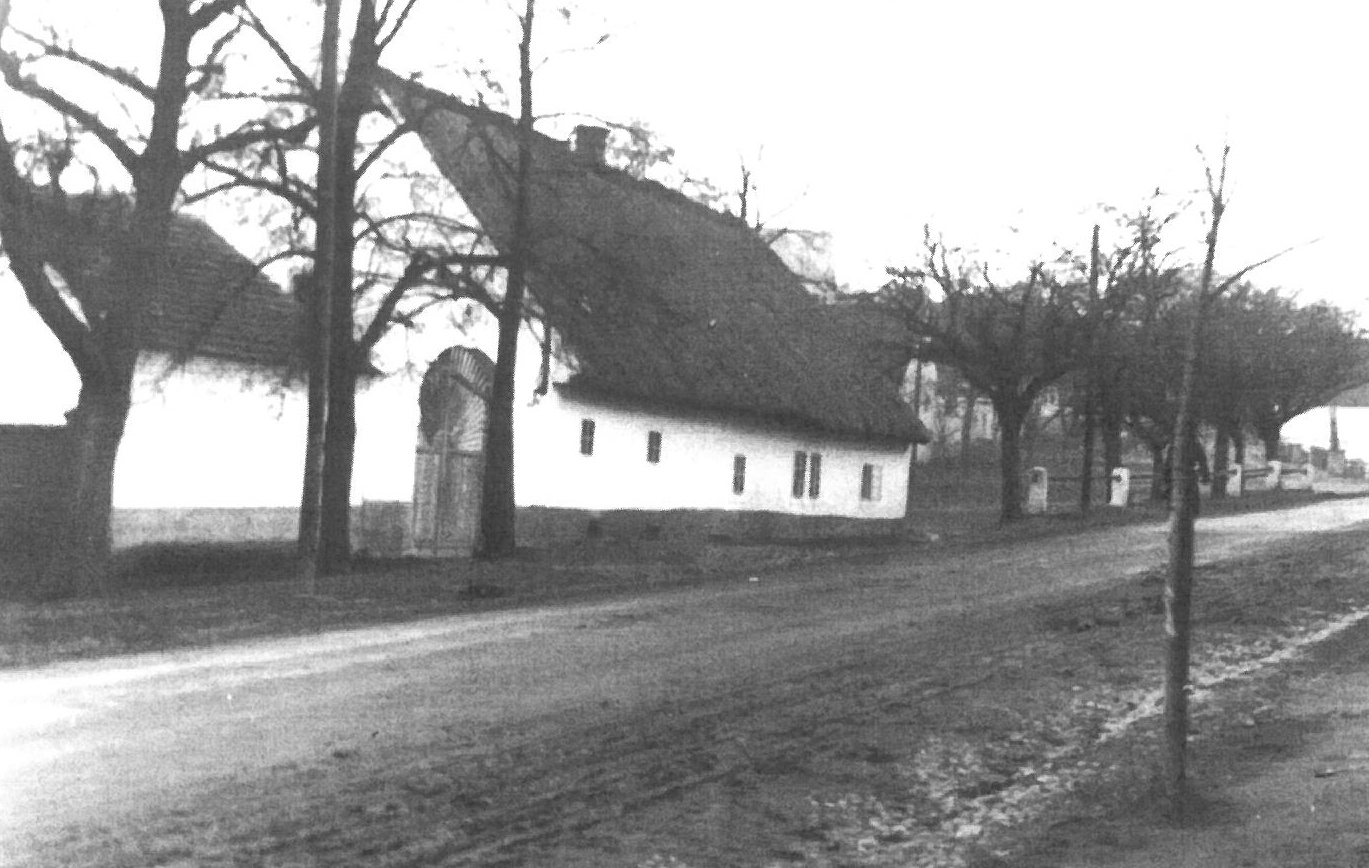
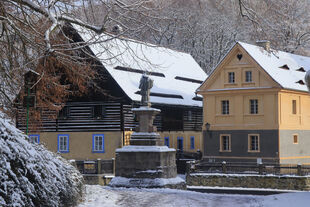
The farmstead as a whole underwent a significant structural transformation during the course of the nineteenth century: the original wooden buildings were replaced by brick buildings in the vernacular classicist style. Today’s residential building was built in 1809, though the original timber structure of the older house was used in part of the walls. Larger stables were built and the barn was expanded. The arched gates bear the dates 1830 and 1834. A new granary was also built in the 1840s to replace the older smaller granary. The last significant modification was the addition of a shed to the barn in 1925.
A Unified Agricultural Co-operative was established in Bolevec in 1952. The co-operative took over the farm buildings of the “U Matoušů” farmstead and set up a pig fattening farm in the stables and the barn. The last owners, who were supposed to take care of the pigeons and poultry, were allowed to continue living in the residential building. The Unified Agricultural Co-operative was abolished in 1976 due to the construction of a prefabricated housing estate. The entire Bolevec village green was also originally supposed to give way to this housing estate, with only the “U Matoušů” farmstead being intended to be preserved as a registered cultural heritage site. It proved possible to preserve the historically and architecturally valuable Bolevec village green thanks to the considerable efforts of a number of local residents and conservationists.
Proposals beginning in the 1980s were put forward to turn the entire site into a Station of Young Breeders and Conservationists. For these purposes, the state even bought the “U Matoušů” farmstead site at a price far below its market value. The work that had begun was, however, brought to a halt by the events of 1989. The farm was returned to its original owners in the 1990s due to this unfavourable forced sale. By then, however, it was already in an extremely poor condition and the thatched roof had practically disappeared. The site was purchased in 2004 by the City of Plzeň which transferred it to the state and the administration of the National Heritage Institute in 2007. The “Year in the Countryside” project was then approved in 2017, as part of which the construction renovation and revitalisation of the entire farmstead began in August 2019. It was completed at the beginning of 2021.
Since 2026, the “U Matoušů” national cultural heritage site has been under the care of the National Open Air Museum and fully accessible to the public.